The Science Behind DSIP and Its Connection to Sleep
Understanding Delta Sleep Inducing Peptide (DSIP)

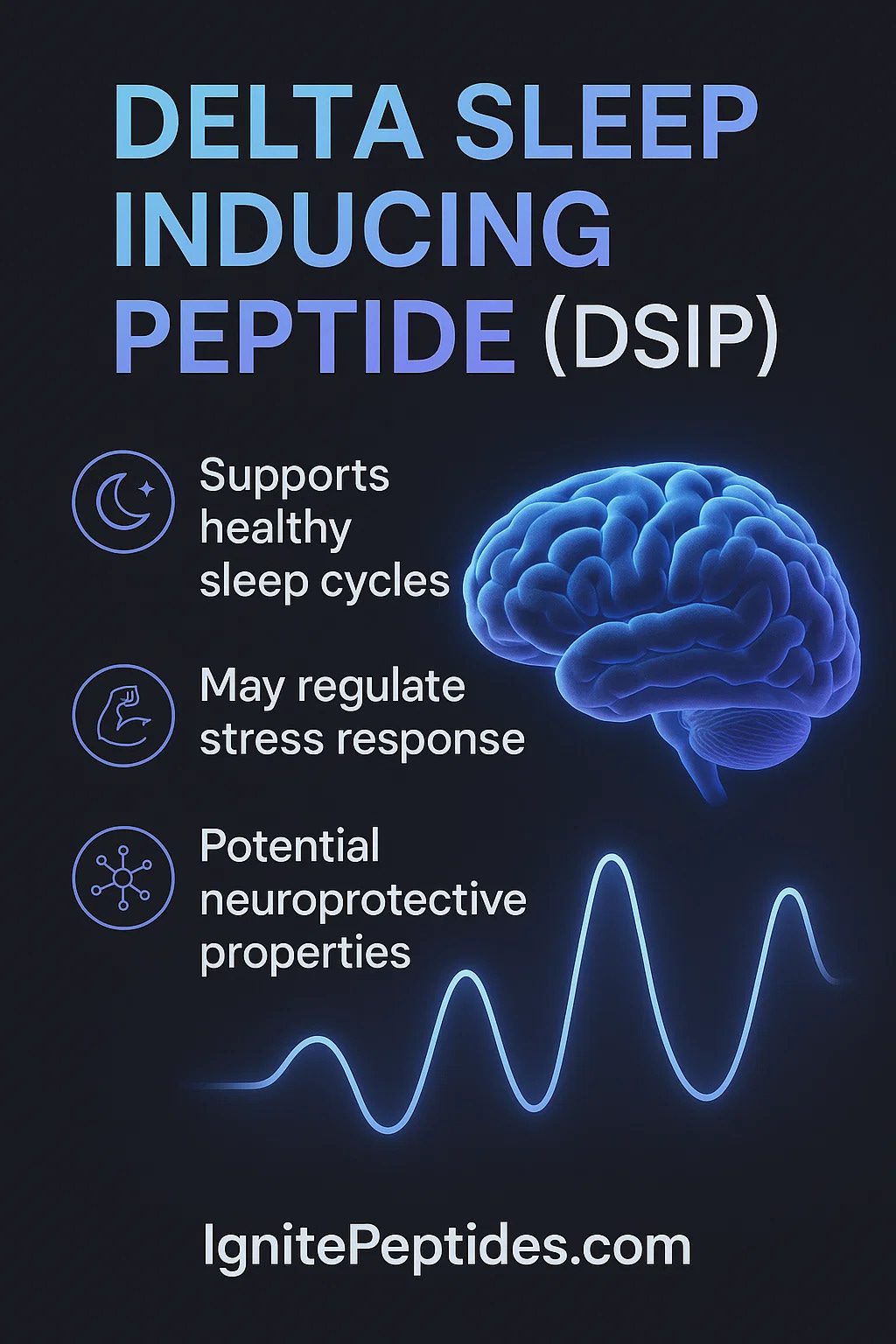
Delta Sleep Inducing Peptide, commonly known as DSIP, is a naturally occurring peptide that has drawn scientific interest due to its potential connection to deep and restorative sleep. Researchers believe DSIP may play a role in maintaining healthy sleep patterns and regulating the body’s response to stress.
How DSIP May Work
DSIP is thought to influence neurochemical systems in the brain that help control sleep cycles. Some studies suggest that it may promote relaxation and assist in transitioning the body into deeper stages of rest. Scientists are also exploring whether DSIP supports the brain’s ability to recover from stress and fatigue by stabilizing certain hormonal pathways.
Research and Potential Benefits
Although research is still developing, DSIP has been studied for several potential effects, including:
Supporting consistent and natural sleep cycles
Promoting calmness and stress balance
Enhancing recovery during rest periods
Offering neuroprotective properties that support brain health
These findings make DSIP a valuable topic in peptide and sleep research. Ongoing studies continue to explore how it might influence human physiology and overall wellness.
Learn More
For readers interested in learning more about DSIP and other peptides involved in sleep research, visit IgnitePeptides.com. The platform provides educational articles and insights for researchers and science enthusiasts.
Visit now: What is Delta Sleep Inducing Peptide (DSIP)?
Conclusion
DSIP represents a fascinating subject in neuroscience and peptide research. While its full mechanism is still under investigation, current studies suggest that it may contribute to better sleep quality and overall mental restoration. As interest grows, DSIP continues to be studied for its potential to support healthy biological rhythms.
Disclaimer
This article is intended for educational and informational purposes only. DSIP and related peptides are meant for laboratory research use only and are not approved for human or medical use. Always follow professional and regulatory guidelines when conducting peptide-related studies.